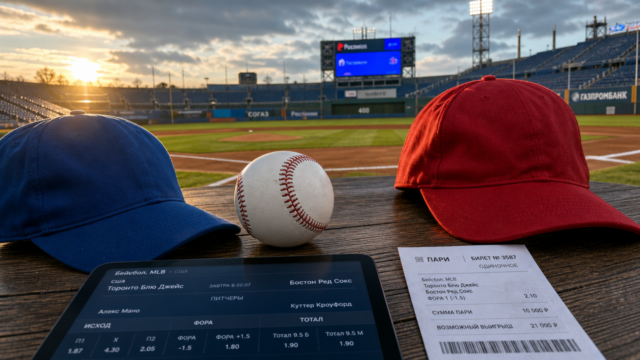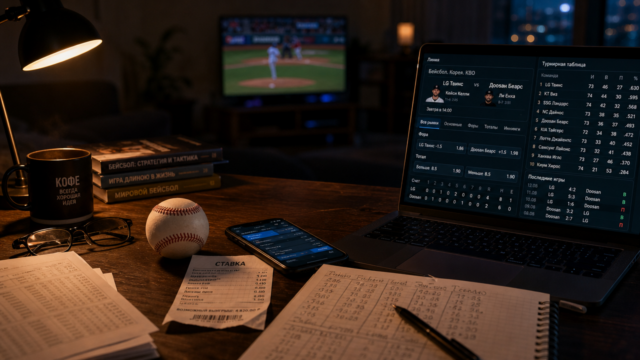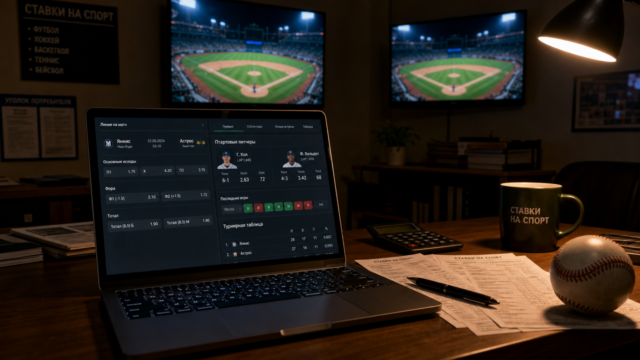
For baseball bets, compare starting pitchers, recent performance, team history, schedules, injuries, and available market limits before choosing a wager. Common options include match results, totals, handicaps or run lines, inning markets, and specific statistics. Baseball has no draws, no fixed time limit, and underdogs can win often enough to deserve attention.
Starting Pitcher Edge
The starting pitcher is one of the main factors in a baseball matchup. Assess recent results, pitch quality, workload, and the opposing lineup before backing either side. A strong pitcher can support a favorite, while a weaker matchup may create value on the underdog. Because upsets are common, the price matters as much as the perceived edge.
Bullpen Workload and Run Line Value
Reliever availability can change the value of a run line or total. Check recent appearances, workload, and the quality of available replacements. A team that has used key relievers heavily may be more vulnerable late in the game. A rested bullpen can help protect a narrow lead, though it does not remove the sport’s volatility.
Price Sensitivity and Park Factor
Compare the moneyline, run line, and total rather than focusing on one market. Team history, recent form, schedule congestion, injuries, and pitcher quality can shape a prediction. Some bettors target underdogs, while others assess inning draws or totals. Baseball games have nine innings, with three outs for each team in its half-inning, and the team with more runs wins.
The best wager depends on the available price and the evidence behind it. Keep stake limits in mind: baseball markets can have limited lines, low limits, and relatively high margins. Use a clear price threshold and pass when the odds no longer reflect the expected value.